With the relentless pace of new AI releases, keeping up with standard updates can feel overwhelming. Technical announcements are often saturated with abstract benchmarks, leaving developers and workflow architects wondering: “What actually changed from Claude Opus 4.7? How does this update help me automate workflows, optimize codebases, or slash runaway API bills?”
Google’s launch of Gemini 3.5 Flash has ignited excitement among developers and workflow architects. However, upgrading to a newly released model can bring unexpected operational friction.
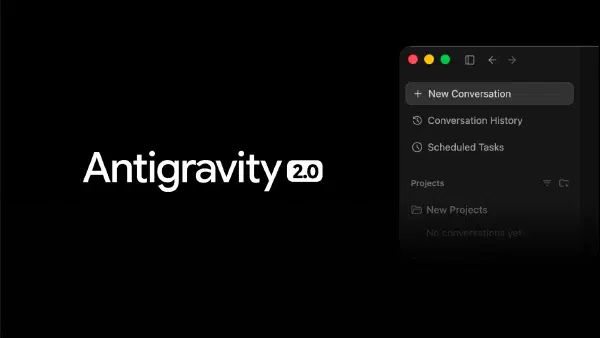
Google just shipped Antigravity 2.0 — and if you ran the installer expecting a familiar IDE upgrade, you likely ended up staring at an agent chat window with no code editor in sight. Worse, your existing Antigravity IDE may have stopped launching correctly entirely. Neither of these is a user error. Both are documented bugs and design shifts baked into the 2.0 release.
With new AI models dropping almost daily, keeping up with the relentless stream of updates can feel exhausting. Technical announcements are often filled with abstract benchmarks and percentages, leaving everyday users wondering: “How does this actually help me write faster spreadsheets, analyze massive PDFs, or automate my repetitive tasks without writing code?”